
Education
Questions & Answers
Periodontal (gum) diseases destroy the attachment fibers and supporting bone that hold your teeth in your mouth. These serious bacterial infections can lead to tooth loss if left untreated. Please check out the website’s section on periodontal disease for additional information.
That colorless, sticky film of bacteria that constantly forms on your teeth is called plaque. Failure to remove plaque can lead to bleeding gums, and eventually, periodontal disease.
The main cause of periodontal disease is bacterial plaque which is a sticky microbial film that constantly forms on teeth. Failure to remove this sticky film on a daily basis causes the disease process.Other factors that contribute to the disease process and affect your gum health include:
Bleeding gums is most likely an early sign of gingivitis. Consult with your dentist or periodontist to review proper oral hygiene habits. You may even consider scheduling a soft tissue evaluation that includes x-rays and prophylaxis cleaning.
Floss daily to ensure that you won’t be part of the 45% of Americans who have some degree of gingivitis. Those who don’t floss regularly are 75% more susceptible to periodontal disease.
Even though most insurance plan coverage allows for two annual dental appointments, your dentist may advise cleanings every three months.
You should always choose products with the American Dental Association Seal of Acceptance to ensure safety and effectiveness.
If you choose to use a manual toothbrush, choose a soft one and change it out every three months. When removing plaque from between your teeth, be sure to unwaxed floss over waxed.
Interdental cleaning devices may be used for effective plaque removal for those with spaces between their teeth.
Patients wanting to massage their gums can use the rubber tip often found on the handle end of their toothbrush.
Proper use of lasers can result in less bleeding, swelling and discomfort to the patient during surgery. Lasers can also improve the effectiveness of scaling and root planing.
Many insurance plans pay a fraction of periodontal services. Consult with one of our representatives to secure maximum benefits.
Dental implants are the best way to give you back your smile and most people are candidates for dental implants regardless of their age. So, chances are great that you are!. The right candidates should have the following:
Healthy teeth and gums. It is not adequate to proceed with a treatment if there are areas of untreated disease of teeth, gums or bone, as these can affect the success of your implant surgery.
Sufficient bone density to support the dental implant. Lack of bone density at the site of your missing tooth does not permanently rule out dental implants for a patient. However, it does mean that you will need to correct these problems using special treatments before proceeding with an implant placement.
A commitment to taking very good care of the implanted teeth and surrounding gums. Daily Brushing and flossing are essential together with regular visits to the dentist.
What to expect: undergoing the dental implants procedure does not have to be stressful or cause anxiety. Most dental implant surgery procedures are performed in the dentist’s office and local anesthesia is usually adequate for these outpatient procedures. While frequently there is no pain, some discomfort around the implant is to be expected during the recovery process since it is a surgery.
Dental implants can not get cavities because they are not natural teeth so they don’t suffer the same issues. While dental implants are made out of an artificial material, that doesn’t mean patients that have them in place can forget about their overall dental health. It’s still key for them to clean their gums and teeth around the implants, that is where trouble can occur.
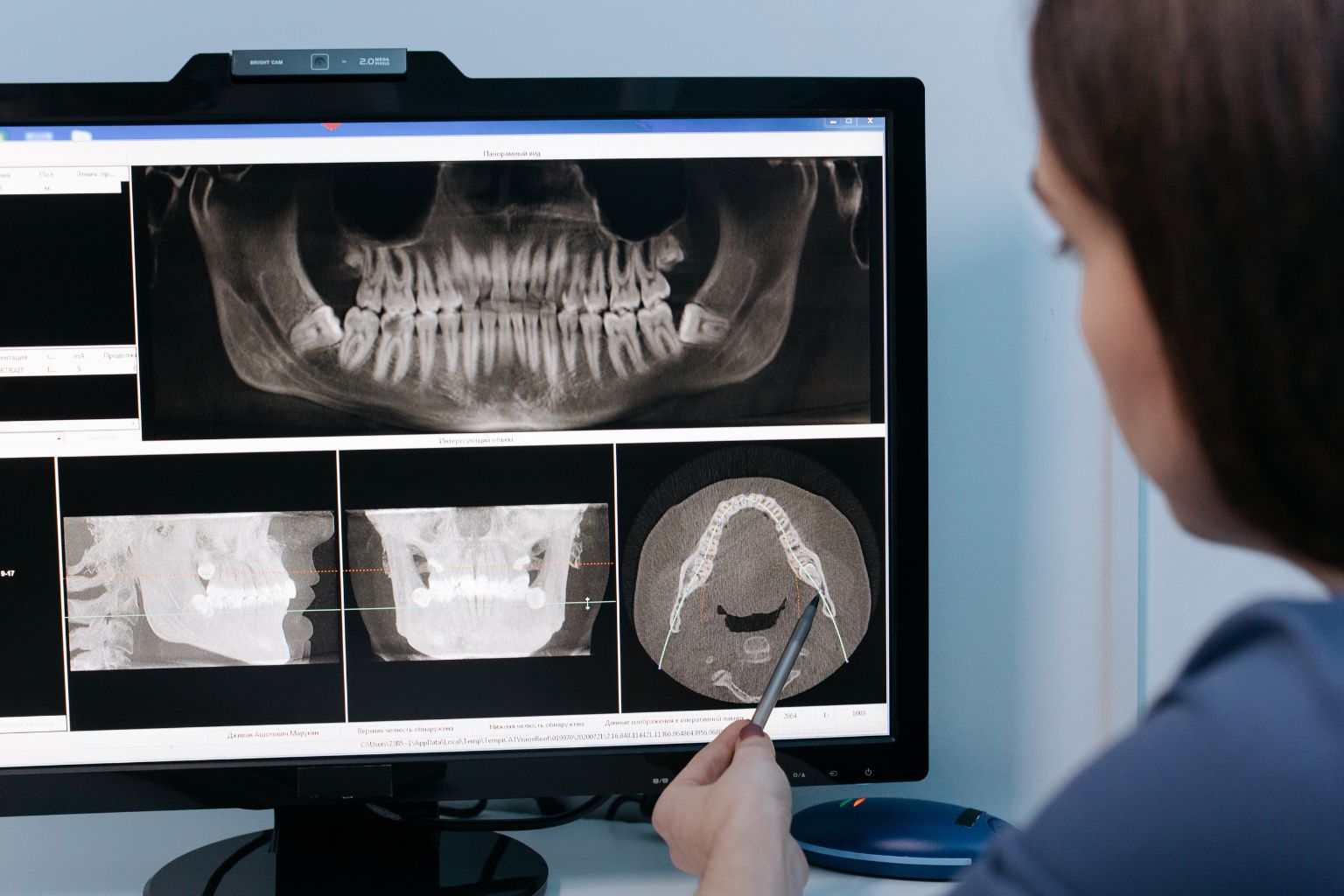
Your periodontist will use x-rays to pinpoint the ideal location for the implant.
Dental implants only require a small, shallow incision in the gum tissue – just enough to get the tiny implant through,local anesthetic, and the process is virtually pain free.
In the first step, the area is numbed, a tiny incision is created and the implant is carefully put in place. Lastly the implant is topped with a protective collar, temporary restoration or your new teeth. Many patients say that they never feel any discomfort, and others report mild soreness, comparable to a healing socket where a tooth has been extracted.

STAY UPDATED

September 8, 2026
Peri-Implantitis: Signs, Causes & Treatment...
May 21, 2026
If you’re considering dental implants, you may hear your provider recommend a CBCT scan for dental implants before treatment begins....

May 13, 2026
For many patients, the question comes up sooner or later: Are dental implants MRI safe? Whether you are preparing for...
Schedule your complimentary consultation today and discover how we can help you achieve the smile you’ve always dreamed of.
We’re Open!
Monday to Friday
8:00 AM – 5:00 PM
Saturday & Sunday
Emergencies Only