

Services
Your Partners in Your Quest to a New Smile.
When one tooth can be replaced with a removable appliance, the looks, function and convenience of a permanent replacement are worlds better.
Explore Services
We see every day how dental implants can transform our patients’ mouths and their lives. As a permanent solution to missing teeth, dental implants are some of the most innovative solutions in dentistry today.
Explore Services
An implant restoration generally consists of: Dental Implant placement, insertion of a post or other fixture that emerges through the gum and Setting the final crown or prosthesis.
Explore Services
An implant restoration generally consists of: Dental Implant placement, insertion of a post or other fixture that emerges through the gum and Setting the final crown or prosthesis.
Explore Services
We are proud to provide a state-of-the-art facility with the latest technology. We work tirelessly to ensure that you feel comfortable and are well cared for during your visit with us.
Explore Services
Overview
Most people who have lost teeth might feel too self-conscious to smile or talk. By replacing a missing tooth, people will be able to eat the foods they love.
Additionally, implants help stimulate and maintain jaw bone, preventing bone loss and helping to support facial features. Dental implants act as man-made roots for artificial teeth, including dental crowns, dental bridges, and dentures. A crown or other restoration is then placed on the post, providing a normal feel and function of a natural tooth.
Today’s dental restorations are virtually indistinguishable from other teeth and if cared for properly, it can remain in place for more than 40 years.
At Altura Periodontics of Denver, we can design a treatment plan that will help you to achieve the stable, natural-looking, beautiful smile that you have always dreamed of having.
Dental implants
This will depend on several factors that will be evaluated by our team or oral surgeons including the number and location of missing teeth, whether any tooth extraction is required, the condition of your jawbone, and your overall health. We will be able to help with any tooth extraction or bone grafting required, as well as placement of the implants and posts.
This will depend on several factors that will be evaluated by our team or oral surgeons including the number and location of missing teeth, whether any tooth extraction is required, the condition of your jawbone, and your overall health. We will be able to help with any tooth extraction or bone grafting required, as well as placement of the implants and posts.
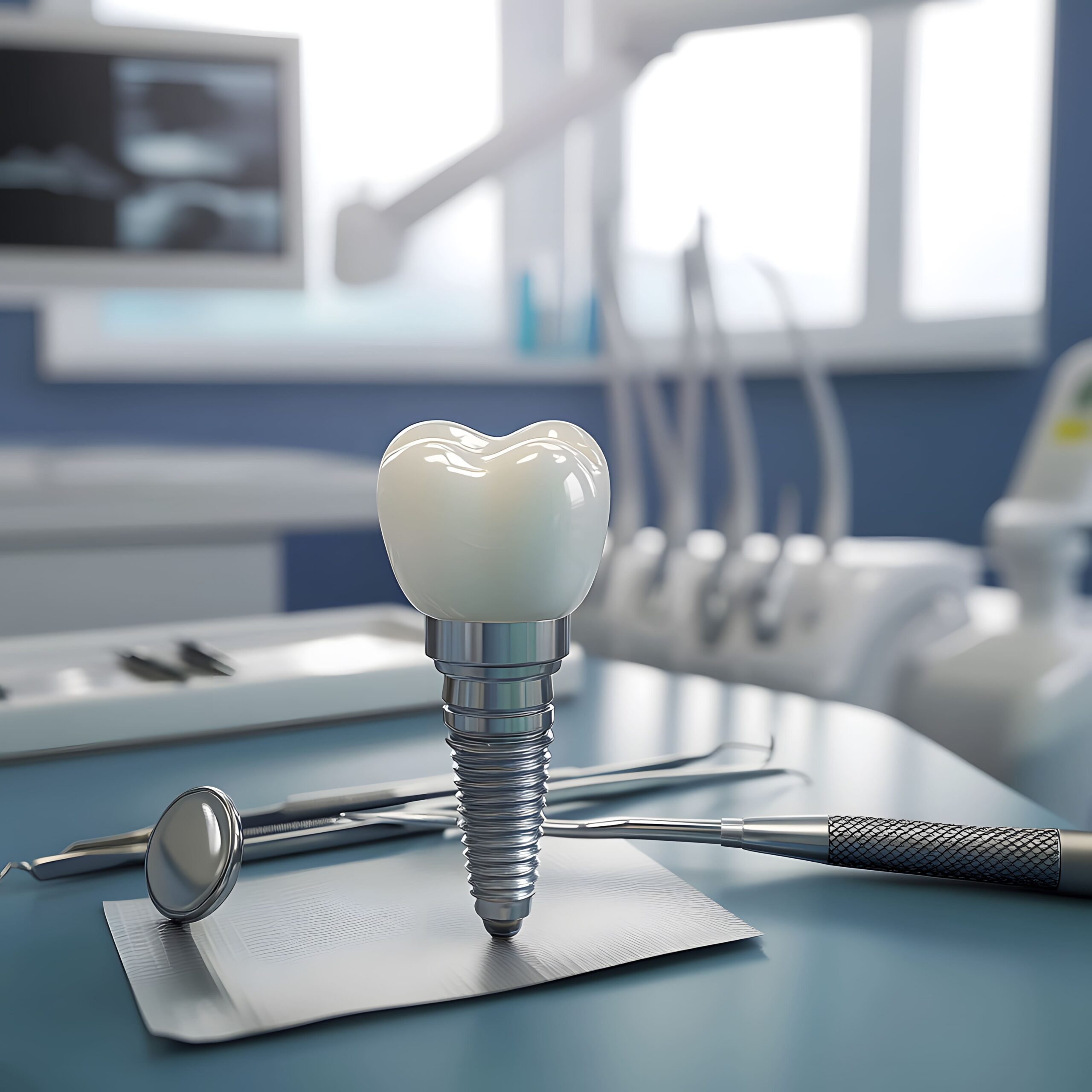
Single Tooth Implant
This will depend on several factors that will be evaluated by our team or oral surgeons including the number and location of missing teeth, whether any tooth extraction is required, the condition of your jawbone, and your overall health. We will be able to help with any tooth extraction or bone grafting required, as well as placement of the implants and posts.
The number of dental implants needed will depend on the location and number of missing teeth, as well as the type of prosthesis chosen. Today, we have the ability to grow bone where needed. This not only gives us the opportunity to place implants of proper length and width, it also gives us a chance to restore functionality and esthetic appearance.
During your consultation, your doctor will perform a comprehensive oral exam and take X-rays of your mouth. He will review the X-rays with you to show you where dental implants may be necessary, and determine whether your gums and jaw can accommodate for the dental implants procedure. In some cases, bone grafting may be necessary to create a more supportive bone structure for the new implants. We will discuss your options during your consultation, and can also outline costs and a proposed treatment plan for missing teeth during that very first visit.
Treatment Process
01
A damaged tooth is removed.
02
Dental implant inserted in jawbone, and gum closed over implant.
03
After 4-6 months of healing, access hole is made vin gum to uncover implant, and a post screwed into the implant.
04
Permanent crown is cemented to post.
Dental implants provide many benefits. For one, they slow or stop the process of jawbone shrinkage that causes the face to look older. Implants offer an incredible improvement in comfort, speech, eating and convenience over conventional dentures.
Frequently Asked Questions
On the day of the surgery try not to disturb the surgical area. It is important to keep the mouth clean. You may brush your teeth gently and slowly, but don’t rinse vigorously or probe the area with any objects. If you are a smoker, we strongly discourage smoking. In fact, smoking in the immediate post-surgical period not only delays healing but also increases the chance of infection and early implant loss. Bleeding will occur after surgery, and it is not uncommon to see blood for 24-48 hours after surgery. Keep in mind that oral bleeding represents a little blood and a lot of saliva. On the other hand, bleeding should never be severe. If that is the case, you should consult your dentist.
Some swelling is normal after a dental implant surgery and will not reach its maximum until 2-3 days after surgery. It can be minimized by using a cold pack, ice bag or a bag of frozen peas wrapped in a towel and applied firmly to the cheek adjacent to the surgical area. This should be applied twenty minutes on and twenty minutes off during the first 24 hours after surgery. If you have been prescribed medicine for the control of swelling, be sure to take it as directed.
Schedule your complimentary consultation today and discover how we can help you achieve the smile you’ve always dreamed of.
We’re Open!
Monday to Friday
8:00 AM – 5:00 PM
Saturday & Sunday
Emergencies Only