

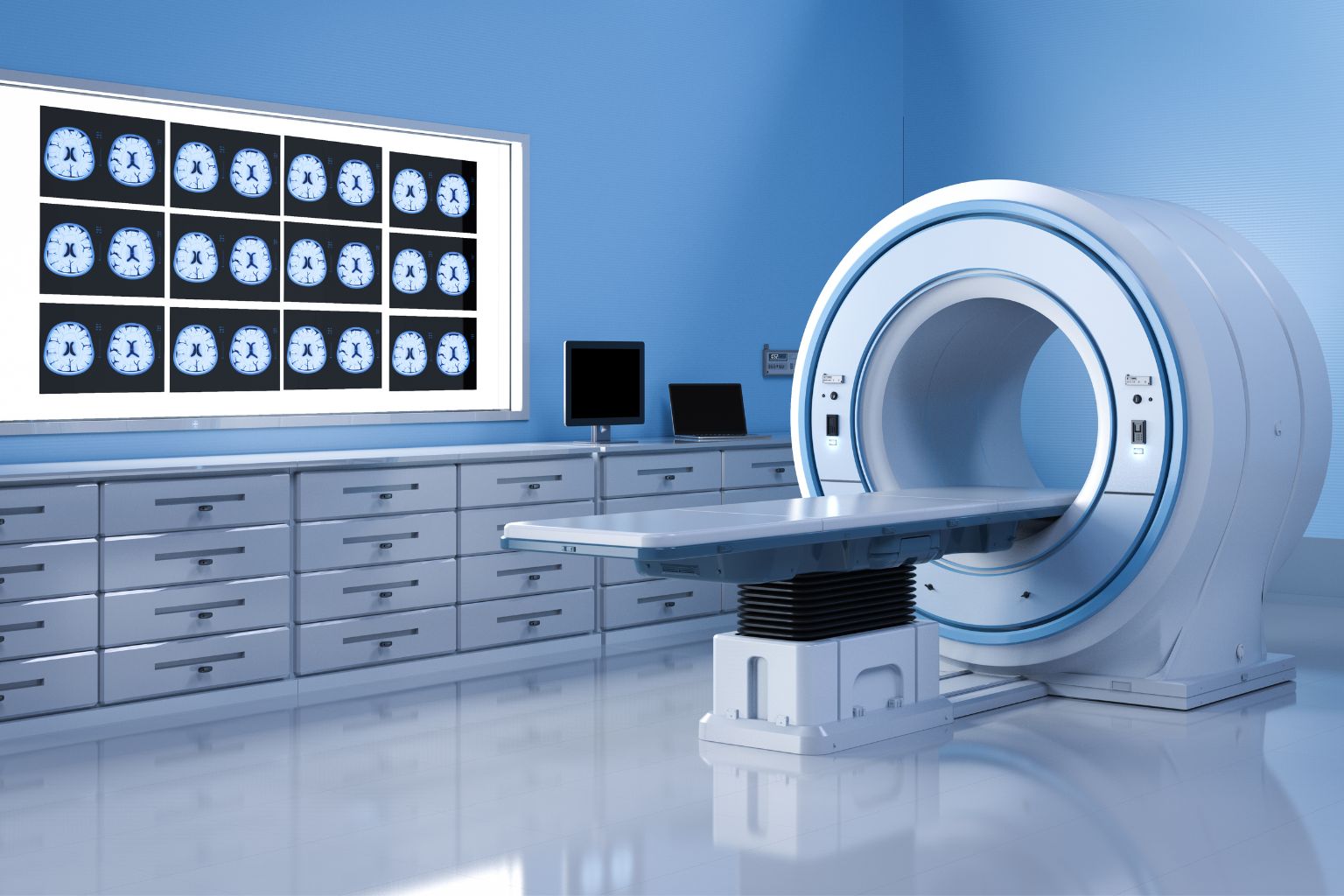
For many patients, the question comes up sooner or later: Are dental implants MRI safe? Whether you are preparing for a routine scan, traveling through airport security, or scheduling another medical procedure, it is normal to wonder how dental implants interact with medical technology.
The good news is that, in general, most modern dental implants are not considered a problem during MRI scans or other forms of medical imaging. Still, there are a few important details patients should know before an appointment.
Quick Answer: Why Most Modern Implants Aren’t an MRI Issue
Most modern dental implants are made from titanium or titanium alloys; these materials are commonly chosen because they are strong, durable, and generally compatible with medical imaging equipment.
In many cases, patients can safely undergo an MRI with dental implants without complications. Dental implants are typically fixed securely into the jawbone and are not designed to move or react strongly during imaging procedures.
That said, every situation is different. Imaging centers may still ask about any metal inside the body before performing a scan. The safest approach is always to inform the radiology team in advance and confirm details with your dental provider if needed.
Another common concern is image distortion. While implants themselves are usually not an issue, metal in or near the area being scanned can sometimes create small artifacts or shadows on MRI images. This is more likely when the scan focuses on the head or jaw region.
When It Matters: The Difference Between the Implant and Other Dental Hardware
Not all dental hardware behaves the same way during medical imaging with implants. The implant itself is often only one part of a larger restoration. Depending on the treatment, patients may also have:
→ Crowns
→ Bridges
→ Abutments
→ Orthodontic wires
→ Permanent retainers
→ Older metal fillings
Some of these materials may interact differently with MRI equipment or create more noticeable image interference than the implant alone. For example, older dental restorations or removable appliances may contain different types of metals than modern titanium implants. In some situations, patients may be asked to remove removable dental devices before a scan.
This distinction also matters during other imaging procedures. A CT scan dental implants evaluation is extremely common in implant dentistry itself, especially during treatment planning. CT imaging is regularly used to evaluate bone structure, implant positioning, and healing progress.
Because of this, dental implants are already designed with modern imaging environments in mind.
What to Tell Your Radiology Team Before Imaging
Before any MRI or other imaging appointment, patients should share complete information about their dental work. This usually includes:
- The number of implants
- The location of the implants
- The approximate treatment date
- Whether there are crowns, bridges, or other restorations attached
- Any removable dental appliances
Even though MRI with dental implants is generally routine, imaging staff still need accurate information to plan the scan appropriately.
If you still have paperwork from your implant procedure, bring it with you. Some dental offices also provide manufacturer details or an implant ID card after treatment. This information can help radiology professionals identify the implant system and materials used.
When in doubt, contacting your periodontist or implant dentist before the appointment can help avoid delays.
Do Implants Trigger Metal Detectors?
Another common concern among patients is dental implants and metal detectors. This is a frequently asked question, especially before flying or entering secured buildings.
In most cases, dental implants do not trigger walk-through metal detectors. The amount of metal used in dental implants is relatively small and positioned inside the mouth and jawbone. However, sensitivity levels vary depending on the screening equipment being used. While uncommon, it is still possible for certain scanners to detect metal dental work.
For travelers who prefer extra reassurance, carrying implant documentation may provide peace of mind, particularly after recent treatment.
What Documentation to Request or Keep After Treatment
After receiving implants, it can be helpful to keep a copy of your treatment information in a safe place. Here’s a helpful list of what you may want to request as a patient after getting dental implants:
- Implant manufacturer details
- Implant model information
- Procedure records
- Digital scans or X-rays
- An implant ID card, if available (this can be especially useful if you switch dental providers, move to a different city, or need future medical imaging with implants).
When to Call Your Periodontist Before a Scan
Most patients proceed with imaging normally. However, there are situations where contacting your periodontist beforehand makes sense.
Consider reaching out if:
→ Your implants were placed recently
→ You are unsure which materials were used
→ You have multiple types of dental hardware
→ You are scheduled for imaging of the head, neck, or jaw
→ The radiology center specifically requests additional information
Your dental provider can help clarify what type of implant system you have and whether any extra precautions may be recommended.
Ultimately, the answer to Are dental implants MRI safe?’’ is reassuring for most patients. Modern implants are commonly compatible with MRI scans, CT imaging, and everyday security systems. Still, clear communication between your dental office and imaging provider remains the best way to ensure a smooth experience.
Schedule a Consultation to Learn More
If you have questions about MRI with dental implants, upcoming imaging appointments, or concerns about dental implants and metal detectors, speaking with an experienced periodontist can help clarify what to expect. Every patient’s dental history is different, and having the right documentation, including your implant ID card, can make future medical visits and imaging procedures much smoother.
Contact our team today to learn more about medical imaging with implants, implant maintenance, and long-term care after treatment.